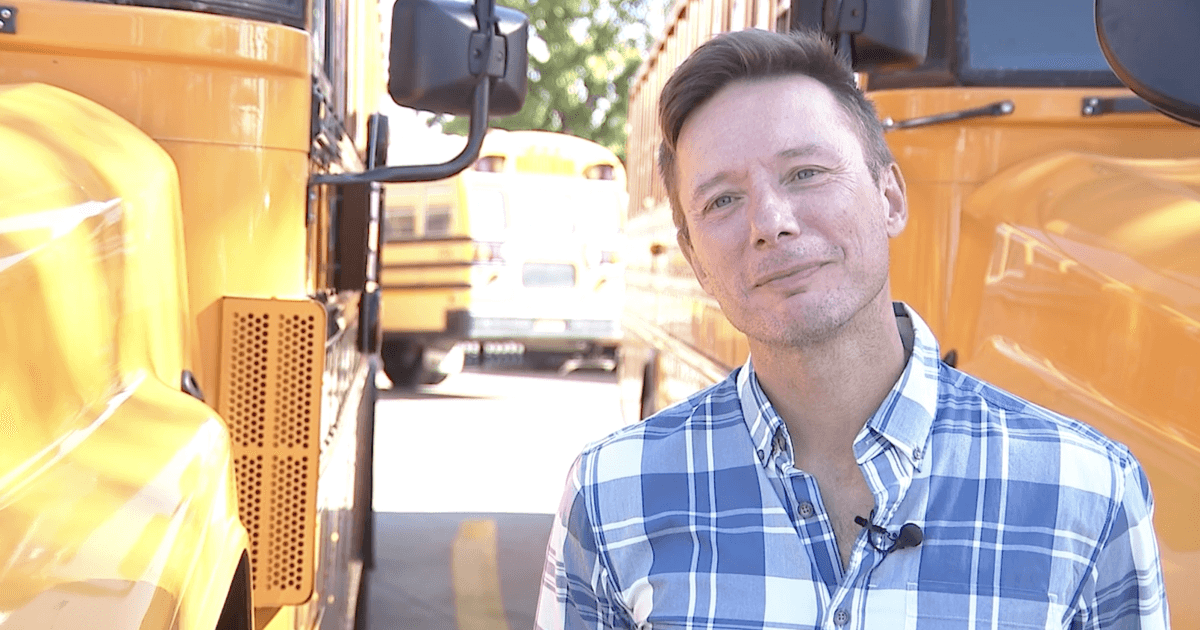
Colorado's state archaeologist is excavating Jackass Hill Park in Littleton to check for historically significant artifacts before South Suburban Parks and Recreation renovates the site's viewpoint.
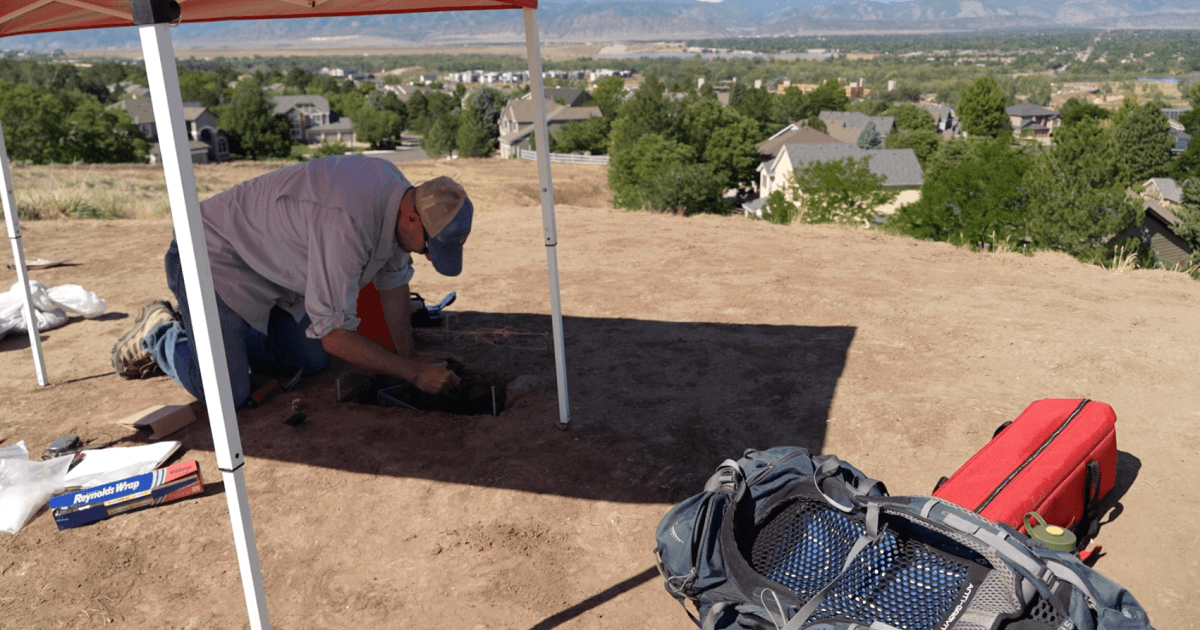
Colorado State Archaeologist Dr. Holly Norton has spent several days digging at the top of Jackass Hill Park in Littleton after a neighbor reported finding artifacts there. South Suburban Parks and Recreation, which manages the park, is cooperating with the investigation as it moves forward with planned changes to the same viewpoint. Norton's team is trying to determine whether the site holds material evidence significant enough to affect those plans.
A patch of ground at the top of Jackass Hill Park in Littleton has drawn the attention of Colorado's state archaeologist, who spent several days this week digging for artifacts before the site undergoes planned renovations.
Dr. Holly Norton, the Colorado State Archaeologist and Deputy State Historic Preservation Officer, led the excavation at the park's viewpoint. The dig started after a neighbor, Ned Sterne, and his friend, archaeologist Craig Banister, found several artifacts at the park on their own and reported the discovery to the state.
"I'm a geologist, and I spend my life looking at the ground," Sterne said.
Sterne and Banister brought what they found to state officials, and the findings were enough to justify a closer look. Norton said her office reached out to South Suburban Parks and Recreation, which manages the park, and the agency agreed to let the dig go forward.
"It was compelling enough that we talked to South Suburban, and South Suburban was super receptive to us investigating," Norton said.
The excavation is focused on the same hilltop viewpoint that South Suburban Parks and Recreation has proposed changing. Denver7 reported in July that the agency was planning modifications to that specific spot in the park, though the scope of those changes has not been detailed publicly. The archaeological work is happening now, ahead of any construction, so the district can factor in whatever the dig turns up.
Norton said her team is not simply cataloging isolated objects. The goal is to figure out whether the site carries enough historical weight to warrant protection or a change in how the renovation proceeds.
"We're not really looking to like count arrowheads or flakes or you know pieces of glass," Norton said. "What we're doing is looking for material culture from the past that tells us about our ancestors who lived there and the things that they did. We help communities identify whether their archeological sites can tell a good story."
If Norton's office determines the site meets the threshold for historical significance, South Suburban Parks and Recreation would need to account for that finding as it finalizes plans for the viewpoint. If the artifacts turn out to be less significant, the renovation could proceed largely as originally planned.
Norton said the physical evidence recovered so far suggests the hilltop was a gathering spot for people well before it became a designated park. Her team has been working the site directly at the location where Sterne and Banister first spotted material on the ground.
Sterne, who lives near the park, said his background in geology made him attuned to features in the soil that might otherwise go unnoticed by a casual visitor. He and Banister decided the site was worth flagging to state officials rather than removing anything themselves, which allowed Norton's office to evaluate the location before any artifacts were disturbed further.
South Suburban Parks and Recreation has not said publicly how the dig's findings might change its renovation timeline for the park. The district agreed to the state archaeologist's request to investigate before moving forward, which suggests officials want the results in hand before finalizing construction plans for the viewpoint.
Norton's office has not released a timeline for when the dig will conclude or when findings will be shared with the public or with South Suburban Parks and Recreation. The next step will likely be a report detailing what was recovered from the site and whether it meets the criteria the state uses to designate a location as historically significant.
For now, the excavation site at the top of Jackass Hill Park remains open, and South Suburban Parks and Recreation's plans for the viewpoint are on hold until Norton's team completes its assessment and delivers that report.