Colorado Parks and Wildlife fined a hunter $139.50 for killing a reintroduced gray wolf he mistook for a coyote.
Colorado Parks and Wildlife issued a $139.50 citation and five suspension points to a licensed hunter who shot and killed a reintroduced gray wolf near the start of 2025, believing it was a coyote. The agency announced the wolf's death on Aug. 10 and declined to pursue additional charges, citing the hunter's cooperation and remorse. Staff at the Colorado Wolf and Wildlife Center in Divide say the penalty is too light and sets a bad precedent for a species still protected under state and federal endangered species law.
A Colorado hunter who shot and killed a reintroduced gray wolf, believing it was a coyote, has been fined $139.50 and hit with five suspension points on his hunting license, a penalty that the Colorado Wolf and Wildlife Center in Divide says fails to match the loss.
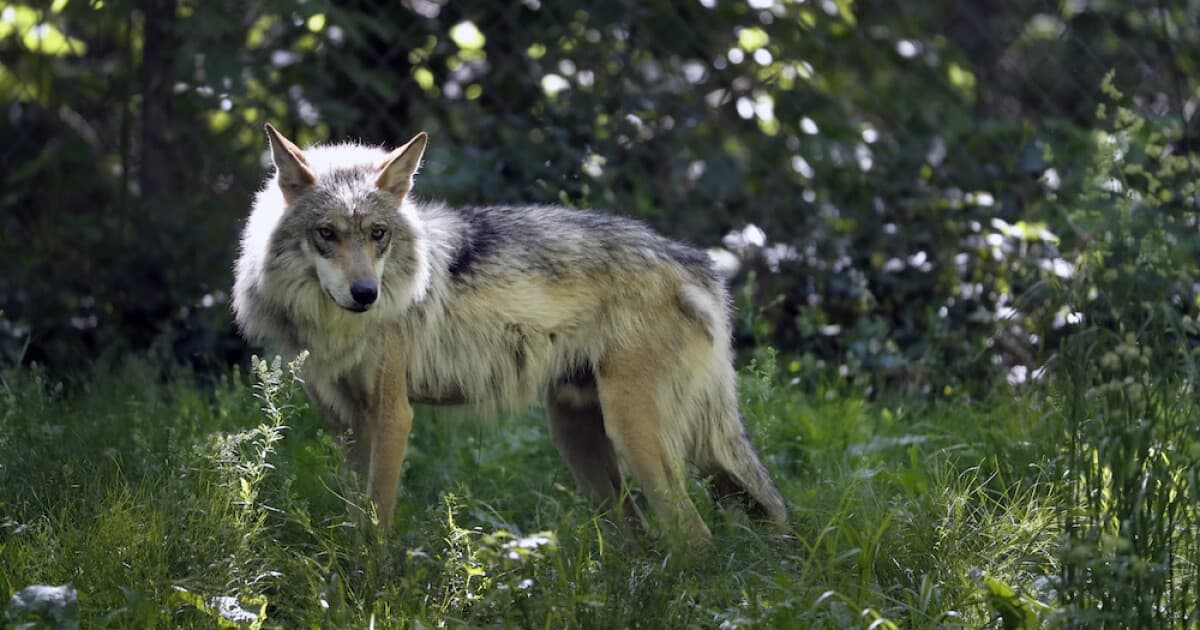
Colorado Parks and Wildlife announced on Aug. 10 that the wolf, known to biologists as 2504, had died near the start of the year after being shot by a licensed hunter. The female wolf had been captured in Canada and released in Colorado as part of the state's voter-approved wolf reintroduction program. She was one of the animals brought over in the January 2025 release, which left eight surviving wolves from that group after her death.
CPW said the hunter reported the shooting immediately and cooperated fully with investigators. The agency cited those factors, along with what it described as the hunter's genuine remorse, in deciding to close the case with a citation for violating agency regulations rather than pursuing criminal charges. Gray wolves remain a protected species under both state and federal law, a status that typically carries steeper penalties for unlawful killings.
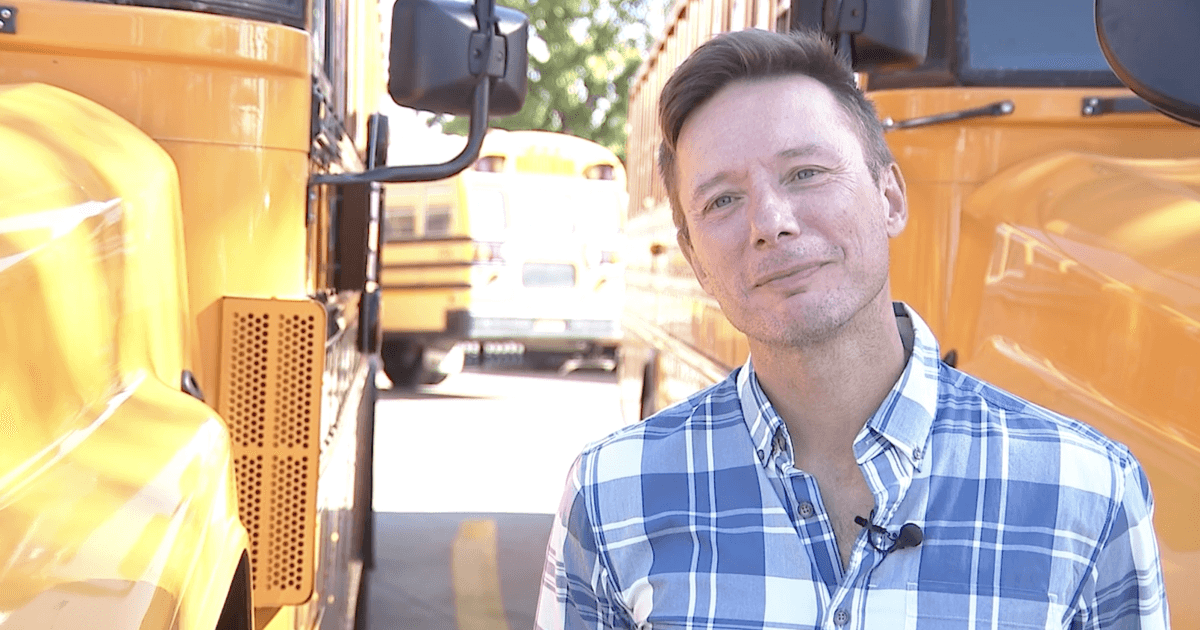
Kelly Murphy, assistant director at the Colorado Wolf and Wildlife Center in Divide, said the outcome sends the wrong message to anyone opposed to wolves being on the landscape in Colorado.
"This was a huge, devastating blow for a wolf population," Murphy said. "It's not just because the incident happened, it's because of the way that it was handled. It sets a terrible precedent. If you get off with a slap on the wrist and you get a fine of $139.50, what does that tell everybody else in our state that doesn't want wolves here?"
The center, which houses wolves and other animals on its property in southern Colorado, has been vocal in past debates over the reintroduction effort. Colorado voters narrowly approved the program in 2020, directing the state to begin releasing wolves west of the Continental Divide by the end of 2023. The first group of ten wolves arrived from Oregon that December. A second group, including wolf 2504, came from British Columbia in January 2025 as part of an effort to build a self-sustaining population in the state.
The reintroduction has drawn opposition from ranchers and some hunters concerned about livestock losses and competition for game animals. CPW has fielded complaints about the program's pace and cost since the first releases. Wolf deaths, including vehicle strikes, suspected poisoning and shootings, have drawn criticism from both supporters and opponents of the program. CPW has repeatedly stressed that mistaking a wolf for a coyote is a real risk for hunters, since the animals can look similar at a distance or in poor light. Wolves have only recently returned to parts of Colorado where they had been absent for decades.
CPW's wolf management plan, the document that guided the reintroduction and lays out enforcement expectations, describes gray wolves as a species requiring careful protection during the population's early years. Murphy argues that a fine equivalent to a minor traffic violation undercuts that goal and does little to deter hunters who might not report a mistaken kill at all, since CPW's leniency in this case followed the hunter's self-report rather than detection by wardens.
CPW has not indicated any plans to revisit its citation policy for wolf killings mistaken for coyote shootings, and the agency's file on wolf 2504's death is now closed. The state's wolf population, still made up largely of the animals brought from Oregon and British Columbia, continues to be tracked through collar data and field reports as CPW works toward the population benchmarks laid out in its restoration plan.