Gov. Jared Polis requested federal disaster aid for Colorado after wildfires destroyed 324 homes and flooding killed one person.
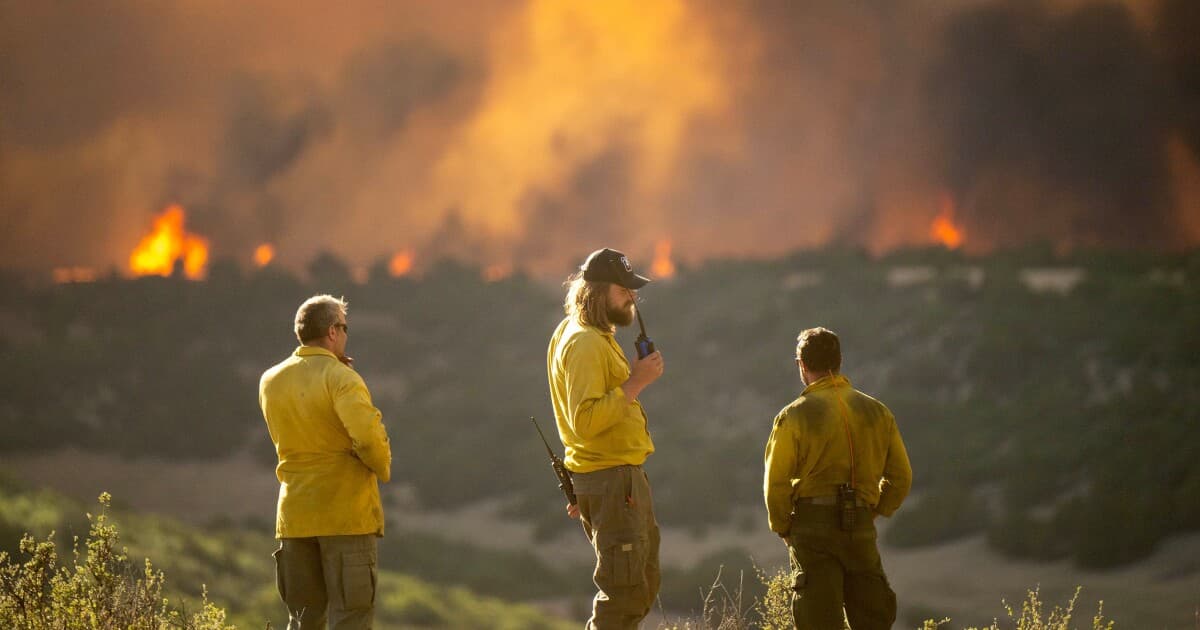
Gov. Jared Polis asked President Trump and FEMA for a major disaster declaration after the Aspen Acres and Gold Mountain fires burned more than 140,000 acres and destroyed 324 homes in Pueblo, Custer and Ouray counties. About 11,600 residents were evacuated, and heavy rain over the burn scars in late July and August caused flooding and debris flows, including an Aug. 16 flood in Pueblo County that killed a man swept away near Highway 78 and Central Avenue.
Gov. Jared Polis has asked President Donald Trump and the Federal Emergency Management Agency to approve a major disaster declaration for Colorado, seeking federal money to help three counties recover from two of the state's most destructive wildfires and the flooding that followed on their burn scars.
The request, filed Friday, covers the Aspen Acres and Gold Mountain Fires, which together burned more than 140,000 acres and destroyed 324 homes. State officials said the fires forced roughly 11,600 residents to evacuate and damaged roads, water systems and electrical infrastructure across Pueblo, Custer and Ouray counties.
"Colorado has committed significant resources to this response, but the scale of this disaster requires a strong partnership among federal, state, and local governments for a successful recovery," Polis said in a statement announcing the request.
The Aspen Acres Fire, burning near Colorado City and Beulah in Pueblo County, grew into the seventh largest wildfire in state history and the most destructive in terms of homes lost since the Marshall Fire tore through Boulder County in December 2021. Residents in the area, including Coza Mendoza of Beulah, watched the fire consume entire blocks of houses over the course of several days in early July.
The danger did not end when the flames died down. State officials said heavy rainfall over the scorched, denuded hillsides in late July and August set off repeated flooding and debris flows in the weeks after the fires were contained. Burned soil sheds water fast and can no longer hold back mud and rock the way vegetation normally would, so even ordinary thunderstorms became flash flood risks.
That risk turned deadly on Aug. 16. Officials said a man standing near Highway 78 and Central Avenue in Pueblo County was swept away by fast-moving floodwater that surged off the Aspen Acres burn scar during a heavy rain. He died at the scene. The flooding has also closed highways and cut off access to some communities in southern and western Colorado in the weeks since.
Polis's request lays out three categories of federal help. Individual Assistance for Pueblo and Custer counties would give money directly to households that lost homes or property, covering temporary housing, home repairs and replacement of essential belongings. That category would also unlock crisis counseling, disaster case management, unemployment assistance for people who lost work because of the fires, and free legal help for survivors dealing with insurance disputes or other fallout.
Public Assistance for Pueblo, Custer and Ouray counties is aimed at local governments, public utilities and certain nonprofits. That money would reimburse debris removal, emergency protective measures taken during the fires and floods, and repairs to roads, water systems and power grids damaged in the disaster. The request also asks FEMA to cover removal of debris from private property in Pueblo and Custer counties, a step that typically requires a separate federal sign-off because it involves land the government doesn't own.
Hazard Mitigation Grant funding, the third piece of the request, is meant to pay for longer-term projects that reduce the risk of future disasters rather than just repairing what broke this time. In burn scar areas, that money often goes toward erosion control, drainage improvements and reseeding hillsides to cut down on the kind of runoff that caused the August flooding.
A major disaster declaration requires the president's approval, and there is no set timeline for how quickly the White House will respond to Colorado's request. FEMA generally reviews the state's damage assessments before making a recommendation, a process that can take anywhere from a few days to several weeks depending on the scope of the disaster and the current backlog of other requests nationwide.
Pueblo, Custer and Ouray counties, along with state agencies, are currently handling debris removal, road repairs and housing help for displaced families while the federal request is under review. County officials in the affected areas have said local budgets can't cover the full cost of rebuilding hundreds of homes and repairing washed-out infrastructure without outside help.
If Trump approves the declaration, federal money would start flowing to the three counties and to individual households that apply and qualify, though FEMA aid typically covers only a portion of total losses and often takes months to reach homeowners. State officials have not said how much the recovery is expected to cost in total, and Polis's office has not set a date by which it expects a decision from Washington.